Furnace repair in Saint George, UT
Connect with an independent provider for furnace concerns in Saint George.
Furnace Repair
TownSaint George, UT
CountyWashington
ZIP84770, 84790
Heating diagnostics for Saint George’s newer desert homes and older neighborhoods
Furnace repair in Saint George serves a city with many newer stucco homes, planned communities, townhomes, and older houses closer to the original downtown. Saint George sits in southwestern Utah near the Virgin River, with neighborhoods extending across desert benches and washes. Bloomington, Little Valley, SunRiver, and central Saint George have different lot layouts, elevations, and access conditions. We connect callers with independent providers in the area; this site is a referral service, not the company performing the work.
Summer heat and monsoon moisture
Saint George’s long, hot summer puts substantial demand on cooling equipment and shared air-handling components. Late-summer monsoon conditions can bring short periods of higher humidity, dust, and debris that affect filters, electrical connections, and outdoor equipment areas.
Attics, crawl spaces, and basements
Furnaces may be installed in attic platforms, closets, garages, crawl spaces, or basements depending on the home and its age. Access space, lighting, and safe walk surfaces matter before a provider begins a diagnostic visit.
Drainage and flash-flood conditions
The city’s washes and storm-drainage routes make heavy rain a practical property concern. Water should be directed away from equipment pads, electrical components, and low crawl-space openings, especially after intense storms.
Power supply and storm effects
Wind, dust, and thunderstorms can coincide with electrical interruptions or control-board faults. A technician can test incoming power, switches, wiring, and control signals rather than treating every no-heat call as an ignition problem.
How furnace repair is diagnosed in Saint George
Heating furnace repair often begins with the controls that tell the system to run. A local provider may verify thermostat settings, the breaker, disconnects where applicable, and the call for heat before examining the furnace cabinet. Furnace troubleshooting can reveal a simple control issue, a clogged air filter, or a fault that requires component testing.
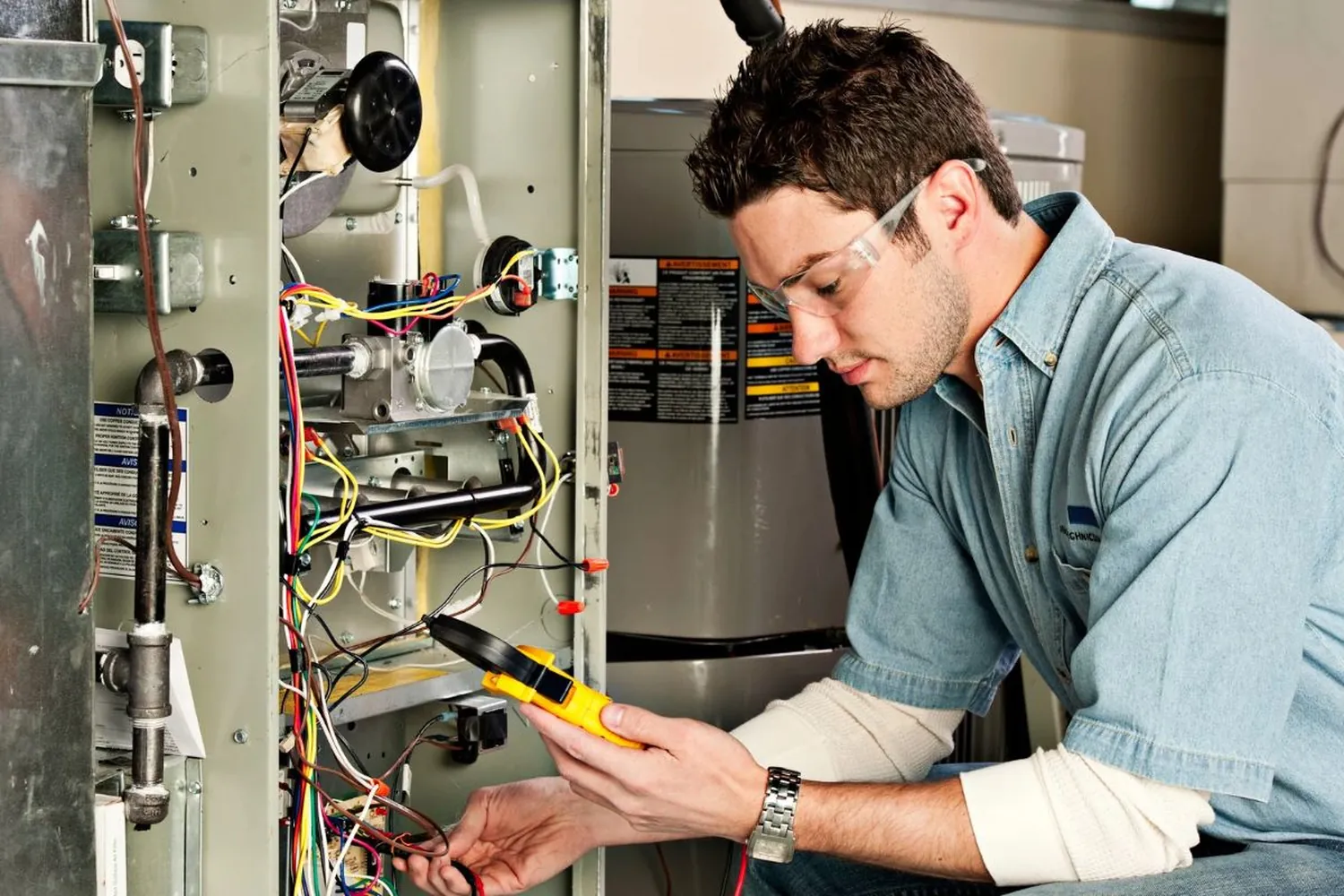
Inside a gas-fired unit, the technician may test the igniter, pilot light on older equipment, gas valve, pressure switch, limit switch, and control board. These parts work in sequence to light the burners, prove safe combustion, and keep the blower operating correctly. A furnace repair service should distinguish between a failed component and a condition that caused the component to shut the unit down.
Furnace maintenance and repair can include furnace filter replacement, checking return and supply airflow, inspecting accessible duct connections, and cleaning serviceable components. Restricted airflow can make rooms uneven and can contribute to limit-switch cycling. Rather than presenting itself as a furnace repair company that performs the work, Furnace Repair Utah connects the caller with an independent provider who can inspect the specific system.
Furnace repair work in Saint George
| Part | What it does | Signs it is failing |
|---|---|---|
| Thermostat | Signals the furnace to start and stop heating. | Incorrect temperature readings, no call for heat, or frequent cycling. |
| Air filter | Catches airborne dust before air moves through the furnace. | Weak airflow, a dirty filter surface, or frequent limit switch shutdowns. |
| Ignition system | Lights the burners during the heating cycle. | The furnace clicks or starts but does not produce heat. |
| Blower motor | Moves heated air through the ductwork. | Little airflow, unusual motor noise, or a blower that will not run. |
| Flame sensor | Confirms that burners have lit safely. | Burners light briefly and then shut off. |
A heating season shaped by desert weather
Saint George has mild winters compared with much of Utah, but overnight temperatures still create a real need for reliable heat. Summer heat can expose weaknesses in shared blowers, ducts, thermostats, and electrical controls before the heating season begins. Dust is common in the desert environment, while monsoon storms can bring wind and sudden rain. Keeping outdoor areas drained and filters suited to the household’s conditions supports steady system operation.
Where we work in Saint George
Also nearby: Washington, Ivins, Santa Clara, Hurricane, La Verkin.
Downtown Saint George
Older homes near the original town center can have remodeled mechanical spaces and later duct additions.
Bloomington
Homes in Bloomington range from established single-family properties to areas with varied access and landscaping.
Little Valley
Little Valley includes newer development where attic equipment and long duct runs may be part of the heating layout.
SunRiver
SunRiver has planned residential streets where providers may need to follow community access requirements.
Washington Fields
Washington Fields includes newer homes on larger lots, with equipment locations varying by floor plan.
Saint George furnace questions
What can a strange smell or noise from a furnace in a Little Valley home mean?
A brief dusty smell at the first seasonal start can differ from a persistent burning, electrical, or gas odor. Rattling, scraping, booming, or repeated clicking can involve panels, the blower, ignition sequence, or combustion components. Shut the system off if there is a gas odor, smoke, soot, or a carbon monoxide alarm, and describe the sound or smell to the provider.
Why might rooms in a Bloomington house heat unevenly or one floor stay cold?
Uneven comfort can result from restricted airflow, a dirty filter, duct leakage, closed or blocked registers, thermostat location, or differences in sun exposure. Two-story homes and rooms over garages can have different heat loss than interior rooms. A provider can check furnace operation while also looking for accessible distribution issues.
Before calling from a Saint George home, what can I safely check on the filter, breaker, thermostat, and outdoor area?
Confirm the thermostat is set to heat and has an appropriate temperature setting, then check whether the furnace breaker has tripped. Look at the air filter and replace it if it is visibly loaded and the system instructions allow it. Keep the outdoor area and applicable vent terminations clear of debris, but do not bypass safety switches or open gas connections.
When might a Saint George permit or inspection be relevant to heating work?
Permit and inspection requirements can depend on the scope of work, such as equipment replacement, gas piping, venting changes, or electrical alterations. Saint George’s building department is the appropriate local source for current requirements. Ask the independent provider what work is proposed and whether a permit or inspection applies.
How do tight attic platforms, crawl spaces, steep lots, or street parking affect a Saint George furnace visit?
These conditions can affect safe access to the equipment, tools, and diagnostic points. Clear a path to the attic hatch, mechanical closet, crawl-space entry, or exterior equipment area when possible. The technician who comes out can assess site access and explain any limitations before work begins.
Need furnace repair in Saint George?
Tell us your town and what is happening.