Furnace repair in Santa Clara, UT
Connect with a local provider for Santa Clara heating concerns.
Furnace Repair
TownSanta Clara, UT
CountyWashington
ZIP84765
Heating systems across growing Santa Clara
Furnace repair in Santa Clara reflects a town that grew from a historic settlement along the Santa Clara River into part of the larger St. George urban area. Older homes near the original town center sit alongside newer neighborhoods built across the surrounding benches and valleys. Santa Clara Drive and nearby connections to St. George shape daily travel and development patterns. Homes can therefore have very different equipment ages, duct layouts, and exposure to wind and desert dust.
Roads and town layout
Santa Clara Drive runs through the community and connects residential areas with St. George and Ivins. Houses on the valley floor and homes on higher ground can have different sun exposure, lot orientation, and mechanical-equipment access.
Renovations and additions
Historic and older houses may have been expanded over time. A room addition can change heating demand and reveal duct sizing, return-air, or thermostat-location issues that were not evident in the original layout.
Rentals and multi-family properties
Rental homes and attached housing may have occupants with different comfort expectations or access responsibilities. A provider can determine whether a concern is isolated to one unit, one zone, or shared heating equipment.
Wind and elevation changes
The community's varied terrain can bring differing wind exposure between lower and higher properties. Dust, drafts, and exterior vent location are practical factors during an equipment assessment.
Furnace repair in Santa Clara homes
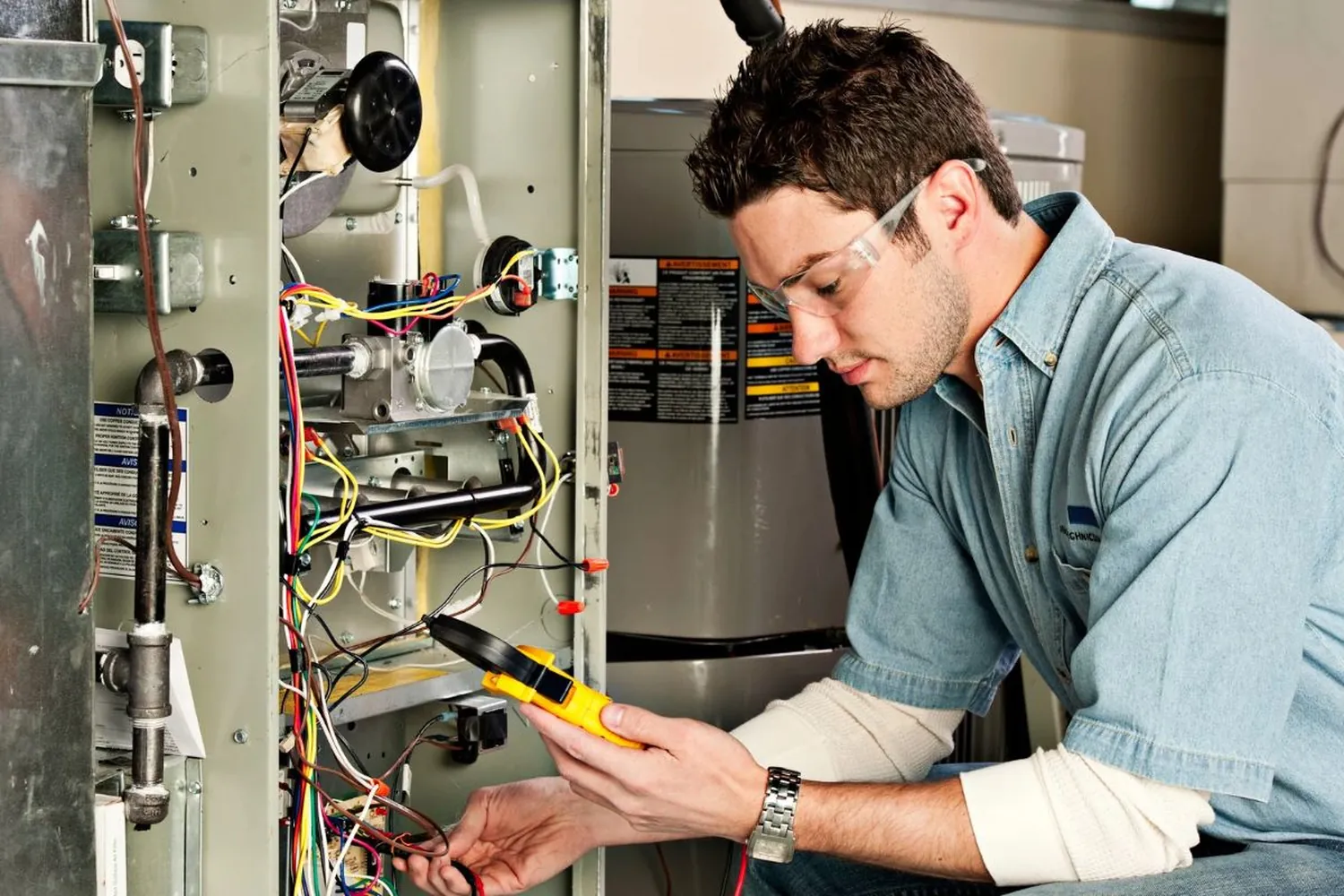
Santa Clara homes may use gas-fired forced-air systems with a thermostat, ductwork, supply registers, and return grilles. Heating furnace repair starts with the reported symptom and an examination of the basic operating sequence. The technician may inspect the thermostat, control board, igniter, pilot light on older equipment, and flame sensor. A furnace repair service should identify the actual fault before parts are proposed.
Furnace troubleshooting can also involve the blower wheel, inducer motor, limit switch, pressure switch, and gas valve. A blocked filter, loose connection, or failed safety component can cause no heat, short cycling, or a blower that continues after the burners stop. These parts work together, so furnace maintenance and repair should not rely on a single symptom alone. The provider can explain which test results support the diagnosis.
When callers seek a furnace repair company, this service connects them with independent providers in their area. The provider who comes out quotes and carries out the work. They can also discuss filter care, thermostat programming, and any accessible duct concerns. This referral service does not perform the repair itself.
Furnace repair work in Santa Clara
| Part | What it does | Signs it is failing |
|---|---|---|
| Thermostat | Signals the furnace to start and stop heating. | Incorrect temperature readings, no call for heat, or frequent cycling. |
| Air filter | Catches airborne dust before air moves through the furnace. | Weak airflow, a dirty filter surface, or frequent limit switch shutdowns. |
| Ignition system | Lights the burners during the heating cycle. | The furnace clicks or starts but does not produce heat. |
| Blower motor | Moves heated air through the ductwork. | Little airflow, unusual motor noise, or a blower that will not run. |
| Flame sensor | Confirms that burners have lit safely. | Burners light briefly and then shut off. |
Desert dust, monsoons, and winter use
Santa Clara has hot, dry summers, mild winters, and a monsoon season that can bring heavy rain in a short period. Desert dust can load filters, while wind can carry debris toward exterior equipment and vents. Heating demand is lighter than in high-elevation Utah towns, but cold nights still make ignition and airflow issues noticeable. Drainage around the home matters after storms, especially near low areas and the Santa Clara River corridor.
Where we work in Santa Clara
Also nearby: St. George, Ivins, Washington, Hurricane, La Verkin.
Santa Clara Historic District
Older homes in the historic core may have heating systems and ducts added during later renovations.
Santa Clara River corridor
Properties near the river corridor should account for drainage patterns and prior water conditions around low mechanical spaces.
West Santa Clara
West-side homes may have open exposure to sun, wind, and desert dust.
East Santa Clara
East-side properties closer to the St. George side of town include a mix of established and newer residential development.
Santa Clara furnace questions
Can water or monsoon drainage near the Santa Clara River affect a furnace?
Water intrusion in a crawl space, garage, or low utility area can affect nearby equipment, ducts, and electrical connections. Tell the provider about any flooding, dampness, corrosion, or past drainage event so they can consider it during the inspection.
Who should arrange furnace maintenance and repair for a Santa Clara rental or attached home?
The lease and property arrangement determine who authorizes work and who communicates with the provider. Tenants can document the symptom, thermostat setting, and any safety concern, while the owner or manager can confirm access and approval.
How do Santa Clara's desert trees, pollen, and dust affect a heating system?
Dust and pollen can collect on filters and reduce airflow through the return side of the system. Keep the filter on the provider's recommended replacement schedule and keep exterior equipment areas clear of loose debris.
Which safety signs in a Santa Clara home mean I should shut the heating system off?
Turn the system off if there is a gas odor, a carbon monoxide alarm, visible soot, smoke, or signs of overheating. Leave the area and contact the appropriate emergency service when necessary, then contact a qualified provider. Do not bypass a limit switch, pressure switch, or other safety control.
What details should I give when calling about a Santa Clara furnace problem?
Describe whether there is no heat, weak airflow, short cycling, a noise, an odor, or a thermostat message. Include the fuel type if known, the system location, recent filter changes, and whether the issue began after a storm or power interruption. Those details help the referral service connect you with a suitable local provider.
Need furnace repair in Santa Clara?
Tell us your town and what is happening.