Furnace repair in Portage, UT
Connect with a local provider for furnace repair in Portage.
Furnace Repair
TownPortage, UT
CountyBox Elder
ZIP84331
Furnace concerns across Portage’s residential areas
Portage includes established homes near its center and rural residential properties on the edges of town, so heating layouts can vary from one address to another. The community is in northern Box Elder County near the I-15 corridor, with local travel shaped by the valley road network and connections toward Tremonton and the Idaho border. Larger lots, additions, and exposed locations can change duct routing, equipment access, and winter heat loss.
Road connections and town layout
Portage is a small community near Interstate 15 and the northern end of Box Elder County. Homes are spread across a rural grid rather than dense city blocks. A caller can give the provider clear directions, gate information, and driveway conditions when discussing a visit.
Additions and renovations
An addition can place new rooms farther from the original furnace or use ductwork added after the home was built. This can contribute to uneven heating if duct sizing, returns, or balancing are not adequate. Diagnosis should include the whole heating layout when comfort differs between old and newer areas.
Rental and multi-unit properties
Rental homes and multi-family buildings can have shared walls, separate furnaces, or equipment serving more than one space. The person authorizing work should identify which unit has the issue and where the thermostat and mechanical equipment are located. Providers can explain the condition found to the responsible property contact.
Wind and open-valley exposure
Portage’s open northern Utah setting can bring wind and cold exposure. Air leaks, uninsulated ducts, and exterior vent termination issues can become more noticeable during winter. Equipment diagnosis may need to be paired with attention to the building envelope and accessible duct sections.
Steps in Portage home furnace repair
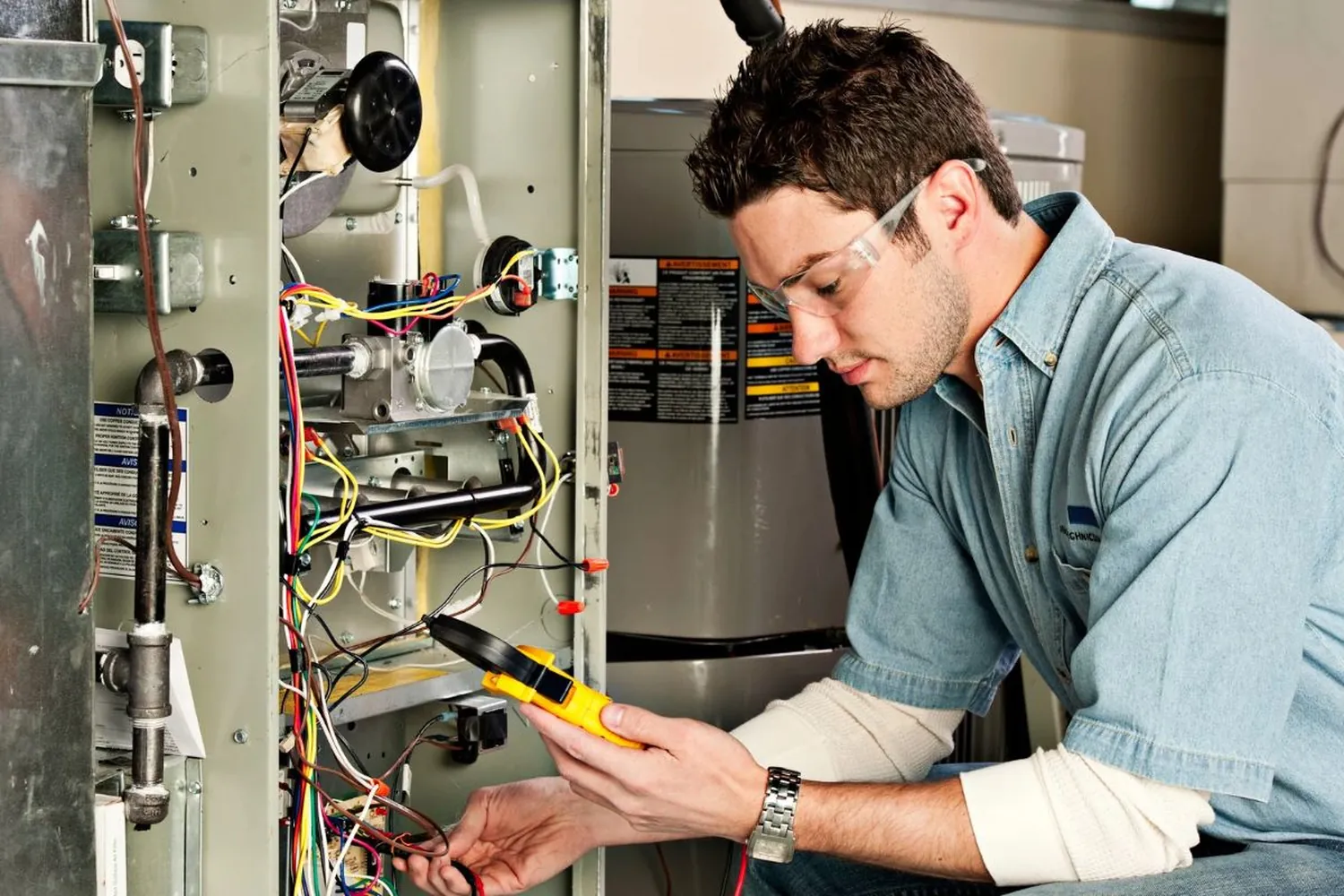
When a furnace is not working, a provider usually starts by confirming the thermostat call for heat and the equipment’s power supply. The technician may inspect the control board, limit switch, flame sensor, igniter, pilot light on applicable older systems, and the furnace’s safety sequence. An inducer motor and pressure-related controls may also be tested before ignition occurs.
A no-heat condition can come from a simple filter restriction, but it can also involve a failed blower motor, worn blower wheel, ignition fault, or thermostat problem. Home furnace repair should identify the cause instead of replacing parts based only on a symptom. The provider can explain whether the fault is isolated or whether multiple components show wear.
Residential furnace repair can include cleaning a flame sensor, replacing an igniter, correcting a wiring or control issue, or addressing a blower-related problem. If a heat exchanger concern is identified, the provider should explain the safety implications and available next steps. A homeowner who needs to fix furnace performance can ask for the findings, proposed repair, and any replacement considerations in writing.
Furnace repair work in Portage
| Part | What it does | Signs it is failing |
|---|---|---|
| Thermostat | Signals the furnace to start and stop heating. | Incorrect temperature readings, no call for heat, or frequent cycling. |
| Air filter | Catches airborne dust before air moves through the furnace. | Weak airflow, a dirty filter surface, or frequent limit switch shutdowns. |
| Ignition system | Lights the burners during the heating cycle. | The furnace clicks or starts but does not produce heat. |
| Blower motor | Moves heated air through the ductwork. | Little airflow, unusual motor noise, or a blower that will not run. |
| Flame sensor | Confirms that burners have lit safely. | Burners light briefly and then shut off. |
Wind, elevation, and cold-weather operation
Portage is in a high northern Utah valley where winter cold and wind can increase heating demand. Long run cycles expose weak ignition parts, marginal airflow, and failing motors. Wind can also affect comfort through gaps in the building envelope, even when the furnace itself is operating. A pre-season inspection gives a homeowner time to address ordinary maintenance before the coldest stretches.
Where we work in Portage
Also nearby: Tremonton, Garland, Riverside, Plymouth, Fielding, Malad City.
Central Portage
Established homes near the town center may have original rooms combined with later improvements.
East Portage
Homes on the east side may have open-lot exposure that affects winter comfort.
West Portage
Rural parcels west of the center can involve longer driveways and detached accessory buildings.
Interstate 15 vicinity
Properties near the I-15 corridor have convenient regional road access but may face open wind exposure.
Portage furnace questions
After an outage near Portage or along the I-15 corridor, why will a furnace not restart?
When power returns, the thermostat, furnace breaker, and equipment controls may need to be checked. Some furnaces enter a fault lockout after unsuccessful ignition attempts, while others may have a separate electrical or component issue. A provider can diagnose the unit rather than repeatedly cycling power or bypassing safety controls.
What can rising winter heating bills in Portage indicate about a furnace?
Higher bills can be connected to longer cold-weather run times, a dirty filter, duct leakage, weak airflow, ignition problems, or declining equipment efficiency. Air leaks and insulation gaps in an exposed home can also raise heating demand. A provider can inspect the furnace while the homeowner considers building-shell improvements separately.
When is routine furnace maintenance most useful for a Portage home?
Maintenance is commonly planned before sustained fall and winter heating use. The visit can include a filter and airflow review, ignition and safety checks, and inspection of accessible venting and electrical connections. If the furnace shows a new symptom, it should be assessed when noticed rather than waiting for a seasonal appointment.
What happens step by step during a furnace visit at a Portage residence?
The provider first discusses the symptom and confirms the thermostat setting and equipment type. They inspect the furnace, filter, electrical supply, controls, ignition sequence, blower operation, and accessible venting or ductwork as appropriate. After testing, the provider explains what was found and provides the repair options they offer.
How long do common Portage furnace repairs and parts take?
Timing depends on the diagnosis, equipment model, part availability, weather, and the provider’s schedule. A flame sensor cleaning may differ substantially from work involving a control board, inducer motor, or heat exchanger evaluation. The provider handling the work can give the most accurate estimate after identifying the needed part and scope.
Need furnace repair in Portage?
Tell us your town and what is happening.